A Foundation Built on Service
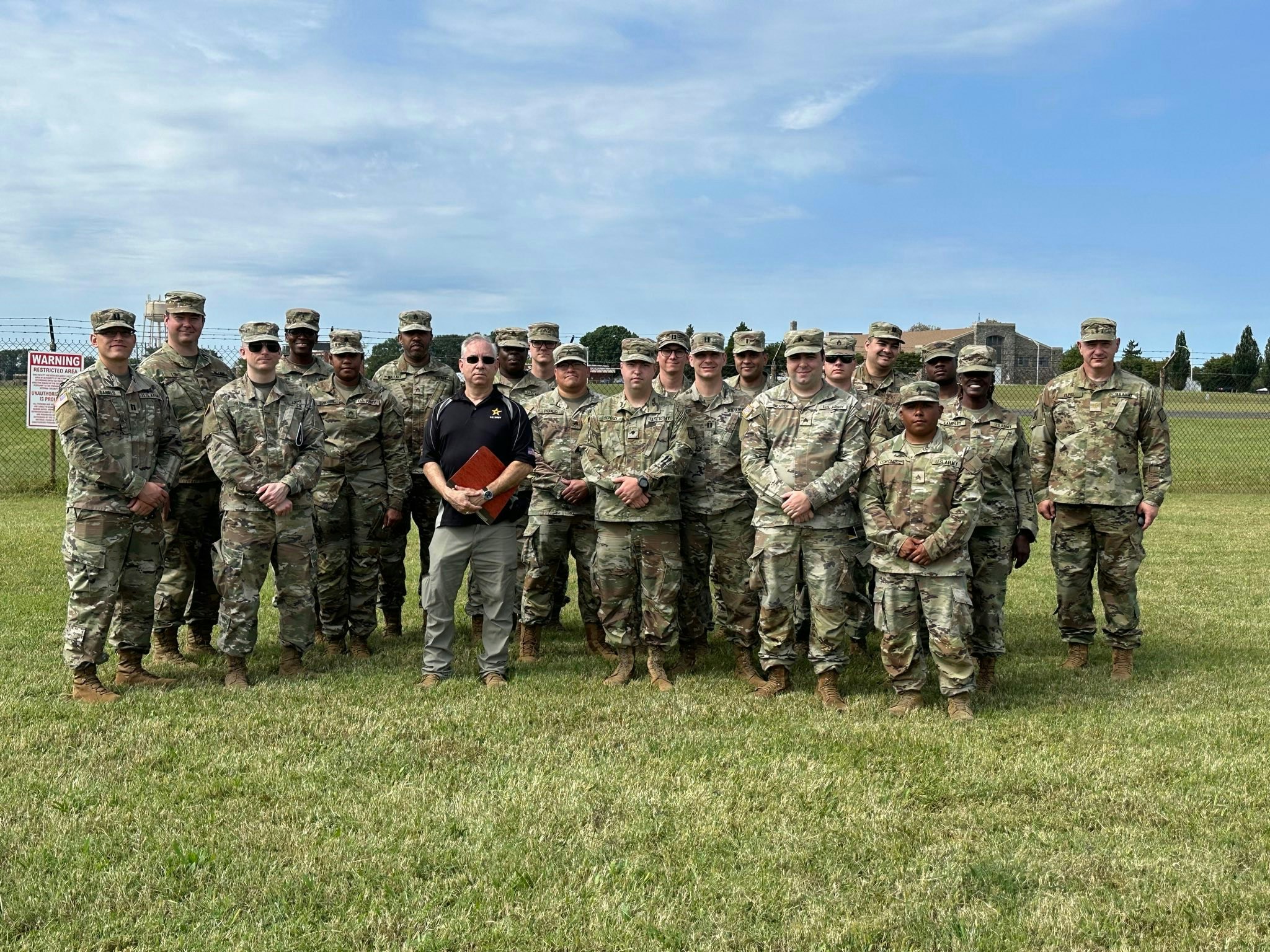
Growing up in a military family, I was exposed early to the physical and mental demands placed upon tactical professionals. Watching service members dedicate themselves to a profession rooted in sacrifice, readiness, and resilience shaped my perspective on performance, health, and leadership from a young age. That foundation ultimately led me to commission into the United States Army Reserve, where I further developed an appreciation for the importance of physical preparedness and the long-term toll that physically demanding occupations can have on the human body. These experiences played a significant role in driving my passion for physical therapy and tactical human performance.
Introducing the Tactical Athlete Program
The Tactical Athlete Program was developed with the goal of bridging the gap between rehabilitation, injury prevention, and performance optimization for this population. The purpose of the program is not only to help firefighters recover from injury, but also to proactively improve movement efficiency, physical resilience, and career longevity. Through targeted mobility interventions, strength and conditioning programming, movement assessment, cardiovascular conditioning, and recovery education, the program aims to reduce injury risk while enhancing occupational performance capacity.
Training That Reflects the Demands of the Profession
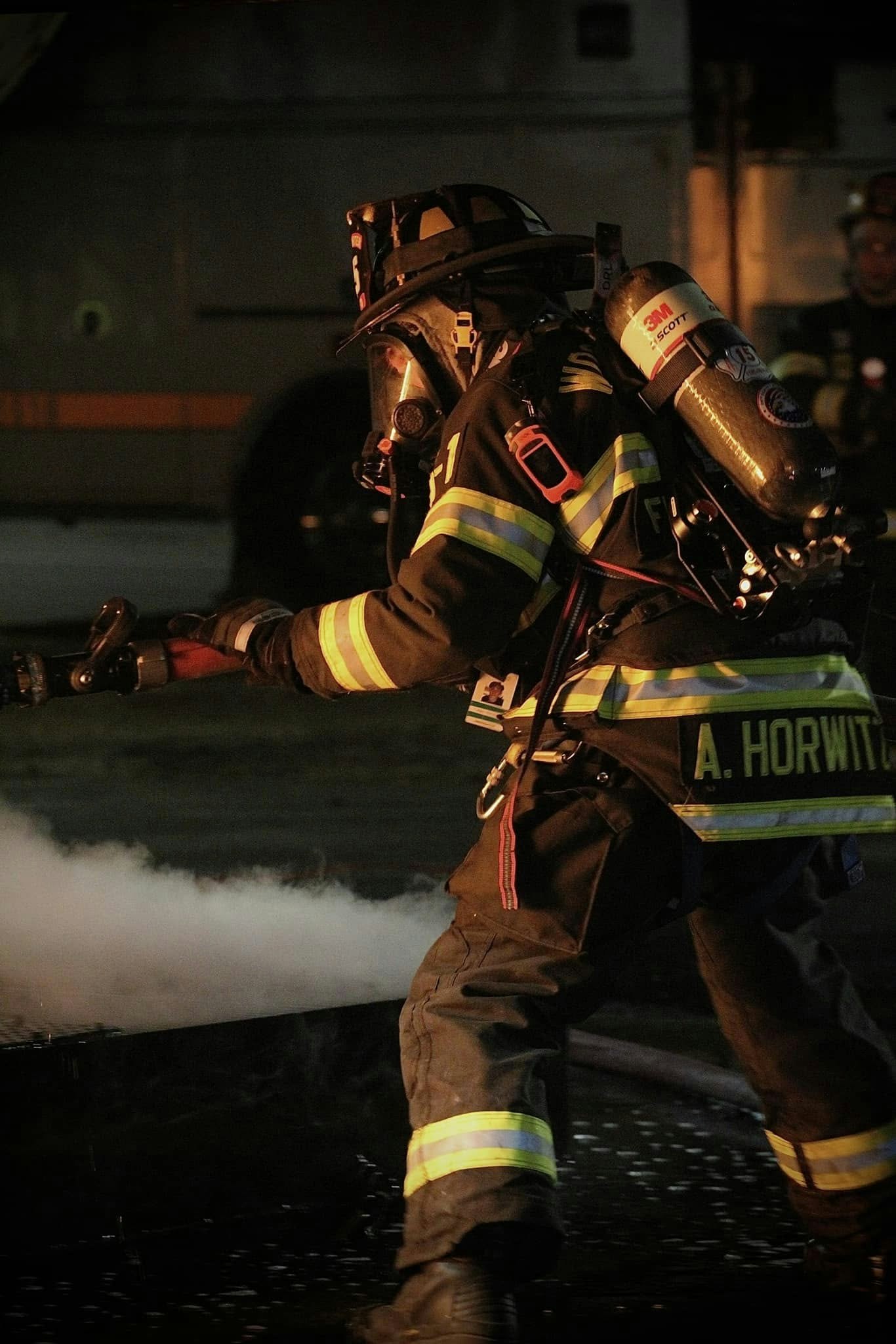
A major focus of the program is increasing awareness surrounding the importance of structured training that reflects the actual demands of the profession. Tactical athletes should not train like traditional gym-goers; their physical preparation must account for load carriage, muscular endurance, work capacity, power production, mobility, and fatigue resistance in environments that closely resemble occupational tasks. By implementing evidence-based physical training principles and emphasizing early identification of movement dysfunctions, firefighters can improve durability and maintain a higher level of function throughout the span of their careers.
A Personal Mission, A Professional Purpose
Ultimately, this program reflects both a professional mission and a personal passion: to serve the tactical athlete community by helping individuals move better, perform at a higher level, and sustain long, healthy careers in service to others.
Categorized as: Articles