3DPT Celebrates 15 Years!
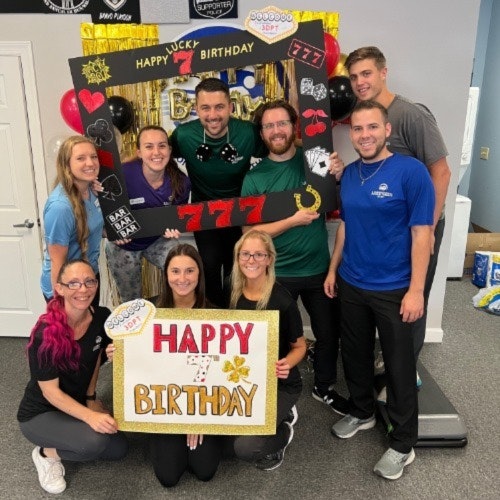
On August 18, 2026 3DPT officially turns 15!
They say time flies when you’re having fun… these 15 years sure have flown and 3DPT has come a long way!
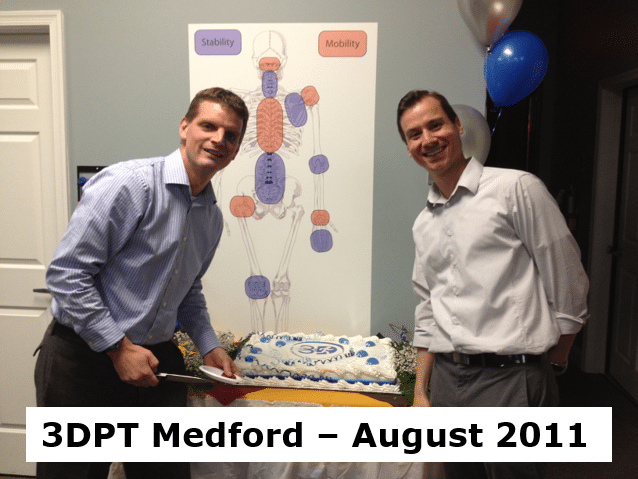
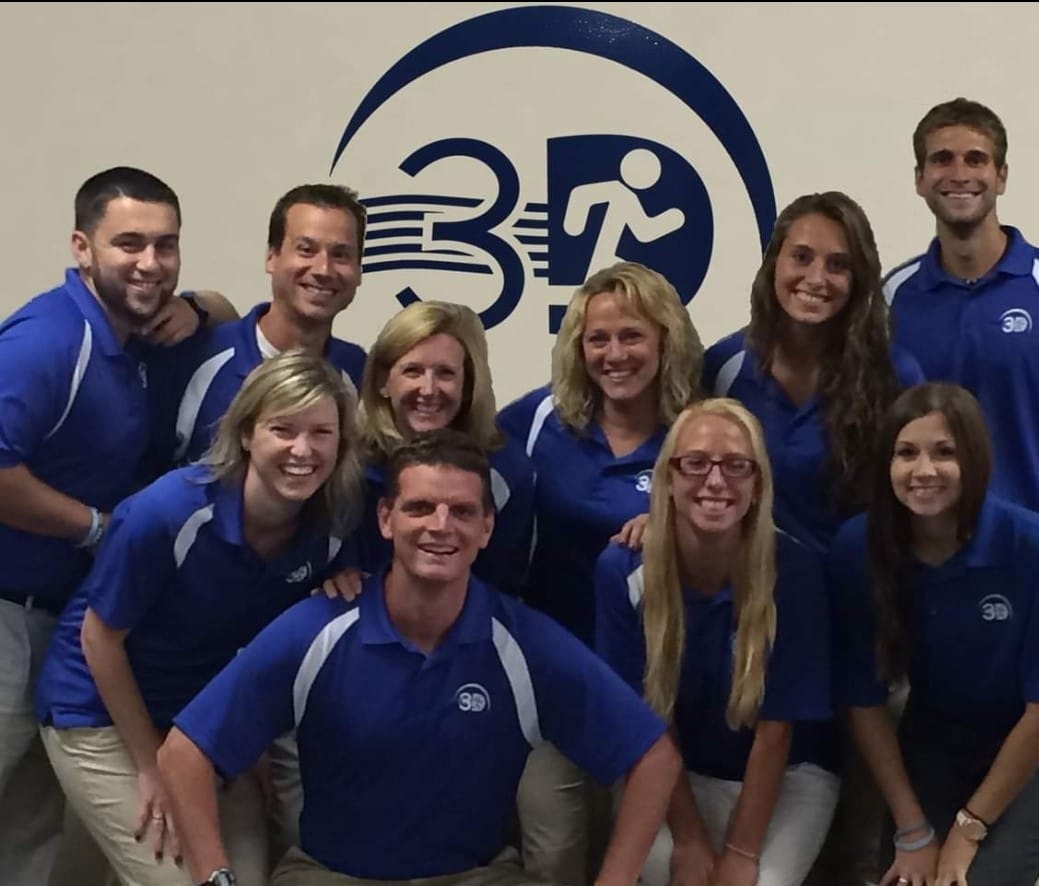
In August 2011, 3DPT’s first patient was treated in a living room, not a clinic. There was no logo on the wall, no waiting room, no front desk, just two physical therapists and a belief that patients deserved more individualized care than a typical PT visit. Eventually treatments moved from the living room to a rented 200 square foot office to now15 years later, 14 clinics across South Jersey, Philadelphia, and Delaware!
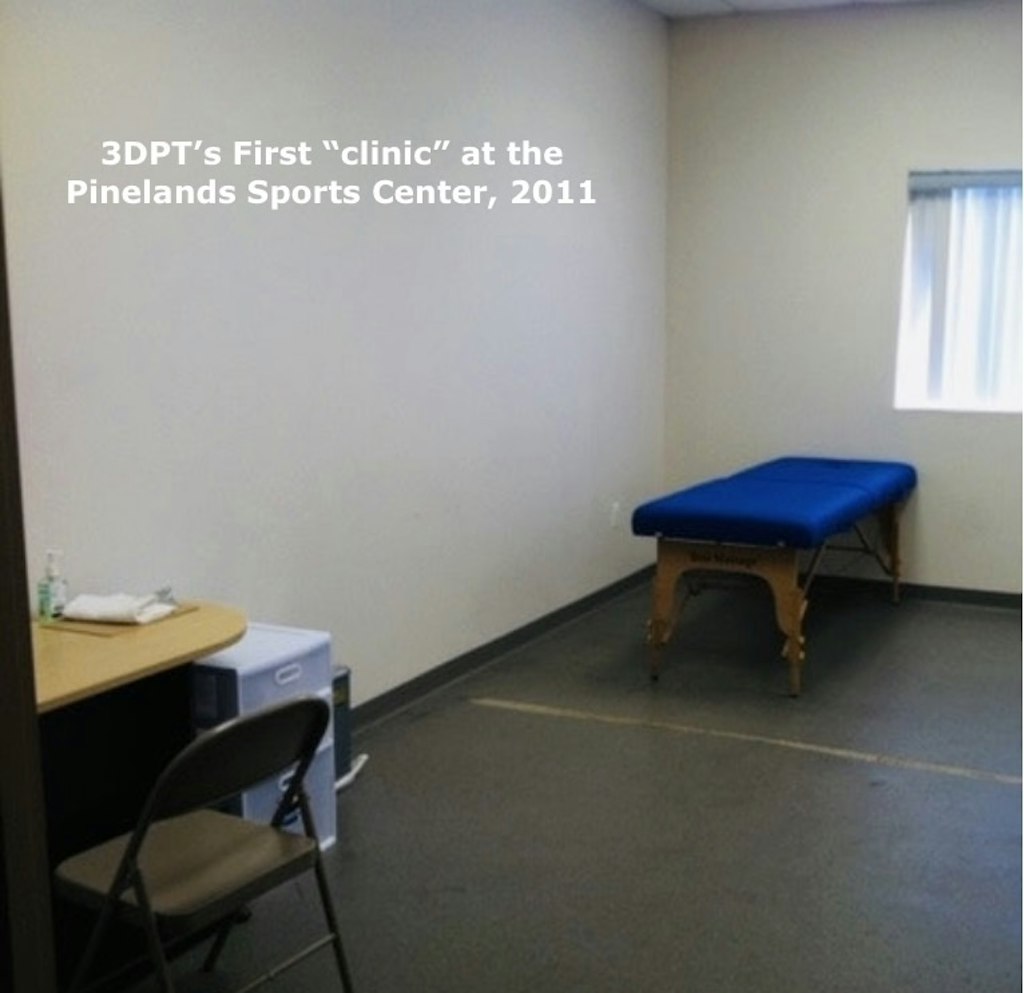
Fifteen Years of Growth
So how did 3DPT get to our 15th year?
Founders Ken Guzzardo and Jeff Sallade started 3DPT wanting it to be the type of place where they would want to work and where they’d want their own families to go for physical therapy. Keeping that philosophy and our Core Values top of mind has helped guide every decision over the years, from who we hire to how we work with our patients.
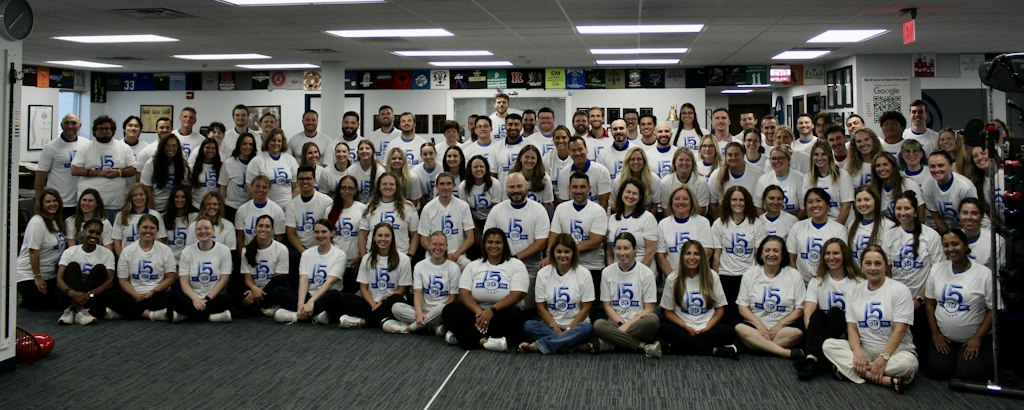
What started with just Ken and Jeff has grown into an amazing team who all feel the same way!
Each of 3DPT’s 15 partners values their clinic, their coworkers, their patients, and their communities; our therapists truly care about our patients’ well being and helping improve their quality of life; our front desk and aide staff really know how to make a patient feel welcome and important, and our billing and operations groups ensure our patients can focus on their physical therapy without having to worry about insurance coverage, scheduling and more.
(For the past 4 years 3DPT has been named a Top Workplace, an honor we don’t take lightly because it’s based entirely on feedback from the team itself!)
We also realized the importance of being involved in the communities where our clinics are located. In fact one of the best parts of being a small business is being a part of awesome communities alongside our patients and friends! We always want to bring value to our communities and to support our towns, neighbors and partner businesses however we can.
Still the Same Mission
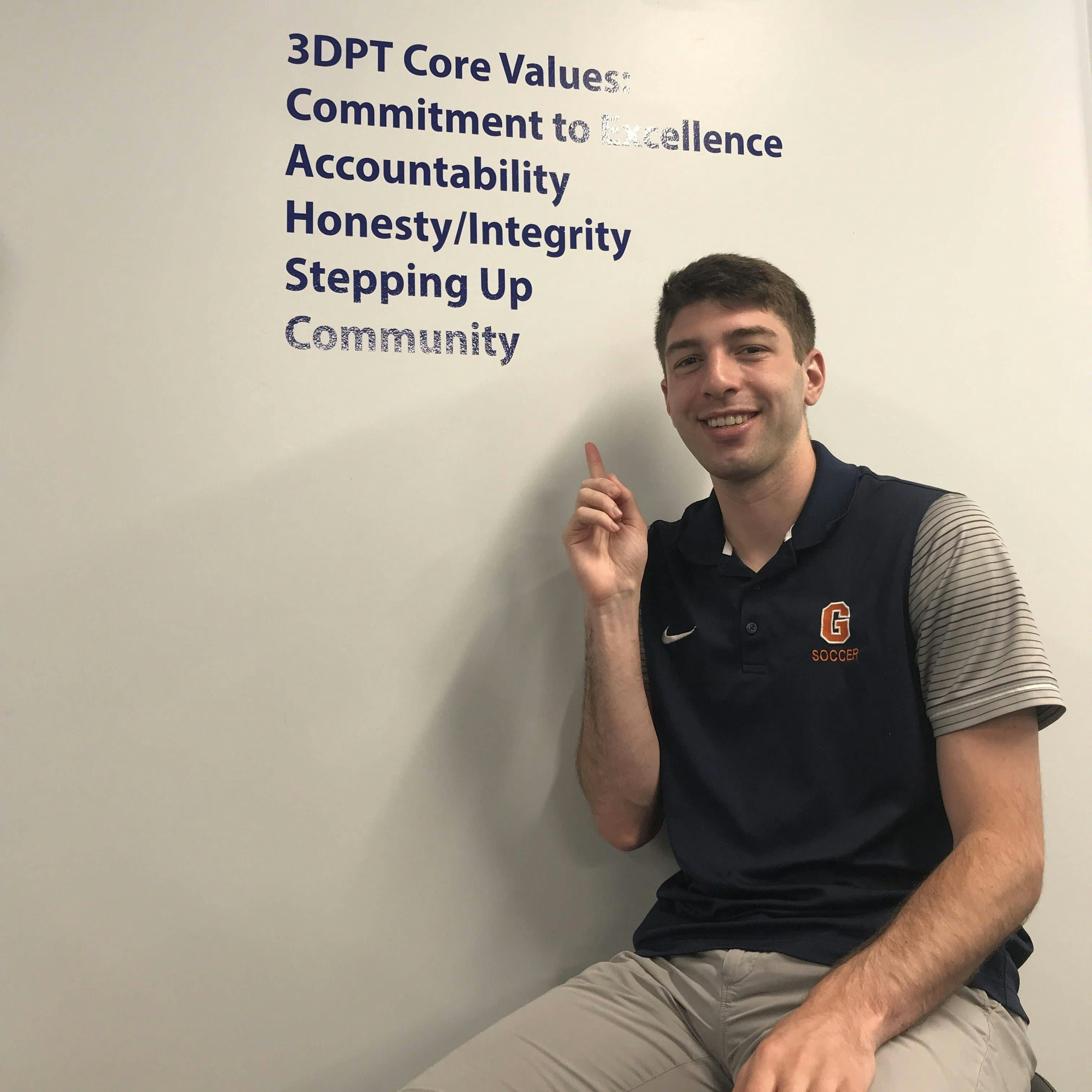
Over the last 15 years our mission hasn’t changed: To raise the standard for the healthcare and workplace experience to best serve the community. That and our core values are posted on the wall of every clinic, a daily reminder of what a living-room treatment session grew into.
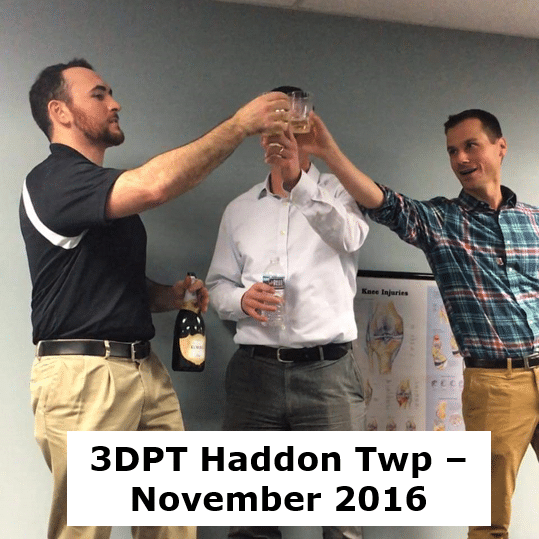
3DPT is now 14 clinics in Cherry Hill, Cinnaminson, Deptford, Franklinville, Haddon Heights, Haddon Township/Westmont, Hainesport, Jenkintown (PA), Medford, Newark (DE), Old City Philadelphia (PA), Tabernacle, West Berlin, and Williamstown as well as a specialty service company, 3DPT Pelvic Health.
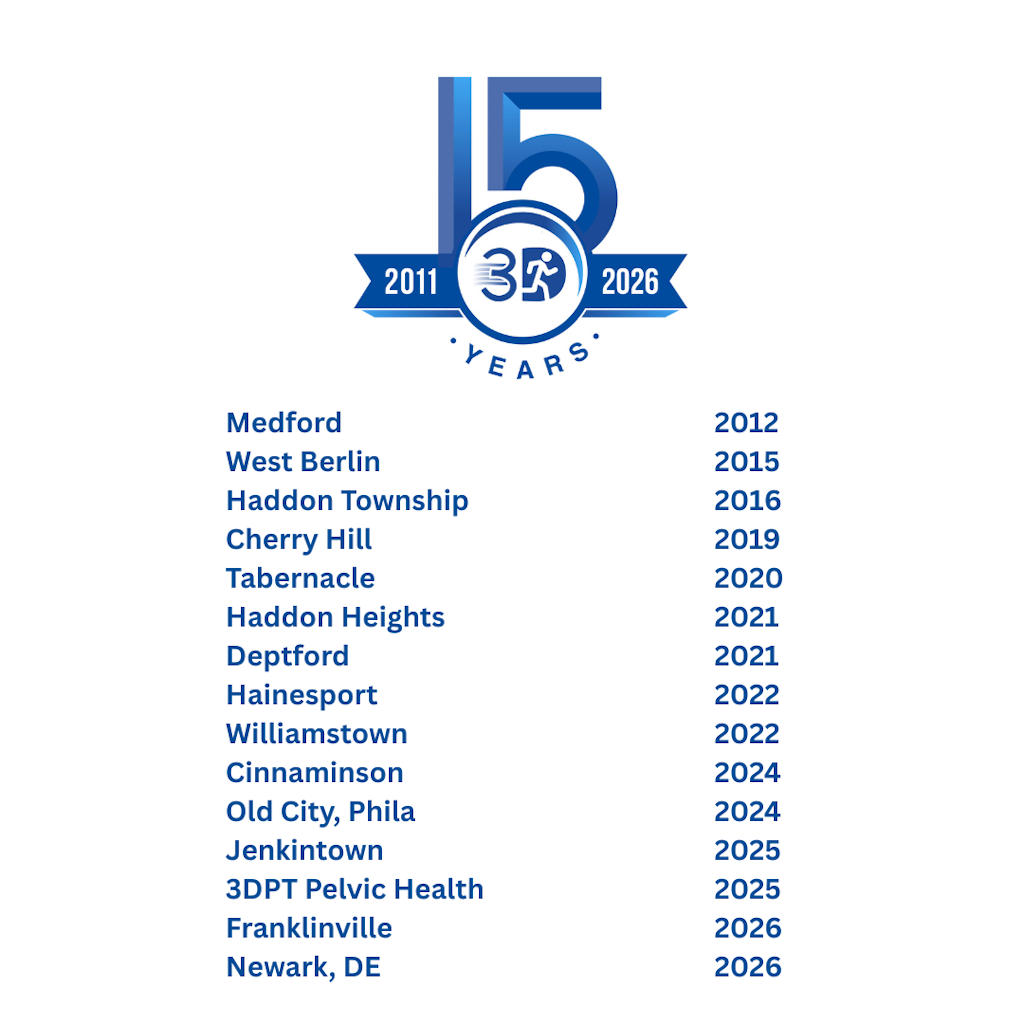
That’s 15 amazing partners, more than 100 employees and thousands of the best patients who have helped make 3DPT the company it is today.
Looking forward to the future
Knowing how fast our first 15 years have gone, we’re looking forward to celebrating lots more over the next 15 years! We don’t know exactly what the future holds, but we plan on being here for a long time – owned and operated by the 3DPT family led by our mission and core values.
Thank you to all of you for your support!

























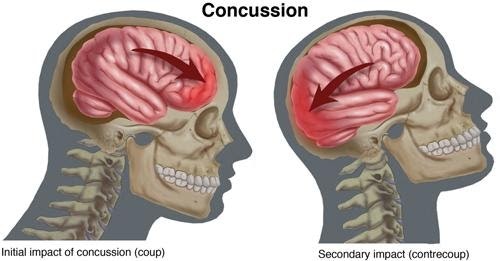
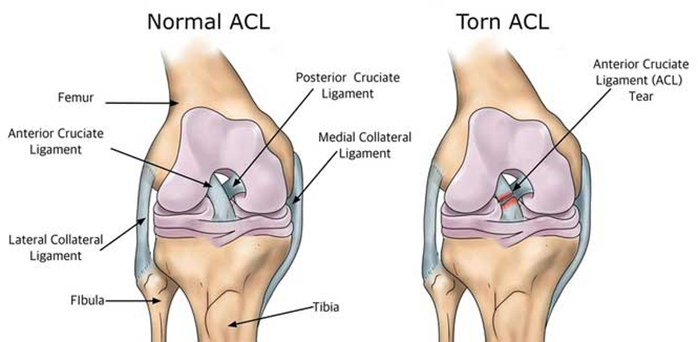
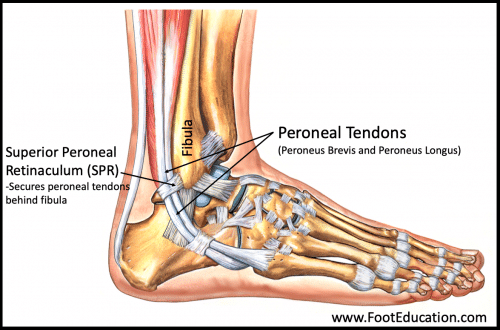
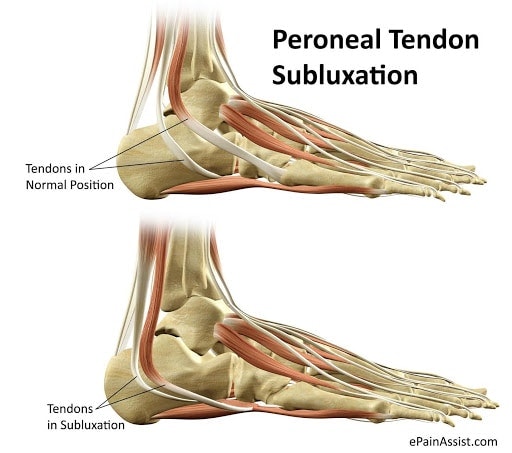
 Week 2 and injuries abound around the league – some in a few high profile players…













































 The picture shows how we can use different parts of our hand to portion our food each meal. A serving of protein, such as chicken or steak, should be roughly the size of your palm. The recommended serving size for non-starchy vegetables, such as carrots, broccoli, zucchini, is equivalent to the size of your fist. The area of a cupped hand is the recommended serving size for carb sources, such as bread, rice, and quinoa. Finally, the size of your thumb is a good indicator of a proper serving of fat, such as nut butters, oils, butter. It is recommended each meal contain roughly 1-2 palms of protein, 1-2 fists of non-starchy vegetables, 1-2 cupped handfuls of carbs, and 1-2 thumbs of fat
What are some healthy options for each category? Here are some quality food sources for each category to help fill up your plate:
Carbs: white and brown rice, quinoa, buckwheat, oats, potatoes, beans and legumes, noodles, pasta
Fat: avocado, nuts, nut butters, coconut oil, olive oil, cheese, butter, cream, whole eggs, fatty fish (salmon, herring), fattier cuts of beef and pork
Protein: chicken, turkey, beef, bison, fish, eggs, dairy (Greek yogurt, cottage cheese), beans and legumes, tofu
The above list is just a start and there are tons of great options for each category at the store and local market. Remember—always looked for fresh, minimally processed foods when possible. This will help maximize your nutrient intake!
Using hand measurements is one simple way to balance carbs, protein and fats each meal. However, keep in mind we are all unique individuals with different lifestyles, nutritional needs, and diet preferences. Age, sex, activity level, and health status will impact your daily energy requirements. For example, the recommended portions will differ between a high school athlete training daily and a 65-year-old male exercising 3x/week and working a sedentary job. Finally, it’s important to find a system that works for you. One way of eating may work for you but not your best friend! If using your hand as a tool for portion control and balance keeps you energized, awesome!! If tracking macros gets you to your health and fitness goals, go for it!! No matter what, it still comes down to making sure each meal contains a variety of all the macronutrients necessary for fueling and energizing your body each day
The picture shows how we can use different parts of our hand to portion our food each meal. A serving of protein, such as chicken or steak, should be roughly the size of your palm. The recommended serving size for non-starchy vegetables, such as carrots, broccoli, zucchini, is equivalent to the size of your fist. The area of a cupped hand is the recommended serving size for carb sources, such as bread, rice, and quinoa. Finally, the size of your thumb is a good indicator of a proper serving of fat, such as nut butters, oils, butter. It is recommended each meal contain roughly 1-2 palms of protein, 1-2 fists of non-starchy vegetables, 1-2 cupped handfuls of carbs, and 1-2 thumbs of fat
What are some healthy options for each category? Here are some quality food sources for each category to help fill up your plate:
Carbs: white and brown rice, quinoa, buckwheat, oats, potatoes, beans and legumes, noodles, pasta
Fat: avocado, nuts, nut butters, coconut oil, olive oil, cheese, butter, cream, whole eggs, fatty fish (salmon, herring), fattier cuts of beef and pork
Protein: chicken, turkey, beef, bison, fish, eggs, dairy (Greek yogurt, cottage cheese), beans and legumes, tofu
The above list is just a start and there are tons of great options for each category at the store and local market. Remember—always looked for fresh, minimally processed foods when possible. This will help maximize your nutrient intake!
Using hand measurements is one simple way to balance carbs, protein and fats each meal. However, keep in mind we are all unique individuals with different lifestyles, nutritional needs, and diet preferences. Age, sex, activity level, and health status will impact your daily energy requirements. For example, the recommended portions will differ between a high school athlete training daily and a 65-year-old male exercising 3x/week and working a sedentary job. Finally, it’s important to find a system that works for you. One way of eating may work for you but not your best friend! If using your hand as a tool for portion control and balance keeps you energized, awesome!! If tracking macros gets you to your health and fitness goals, go for it!! No matter what, it still comes down to making sure each meal contains a variety of all the macronutrients necessary for fueling and energizing your body each day
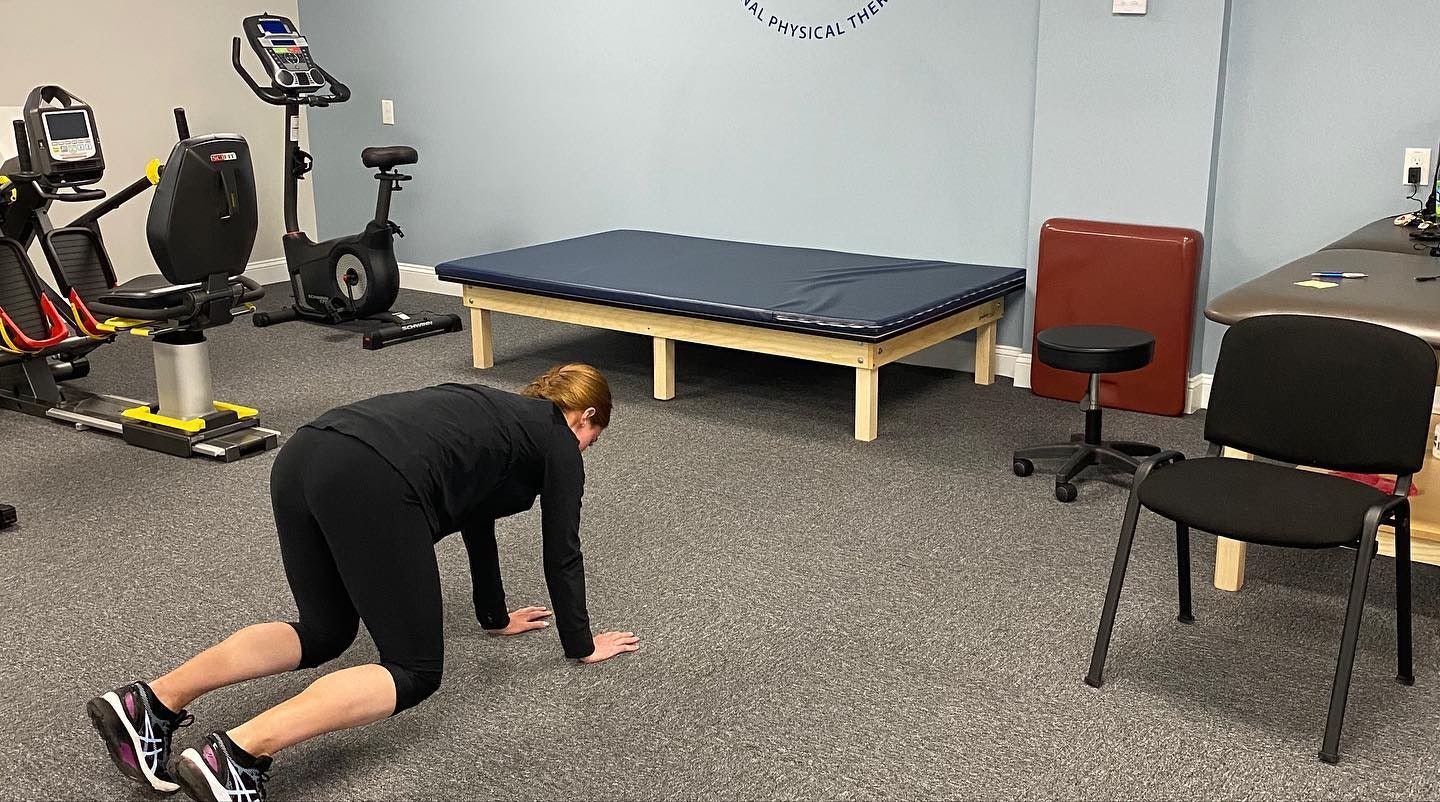
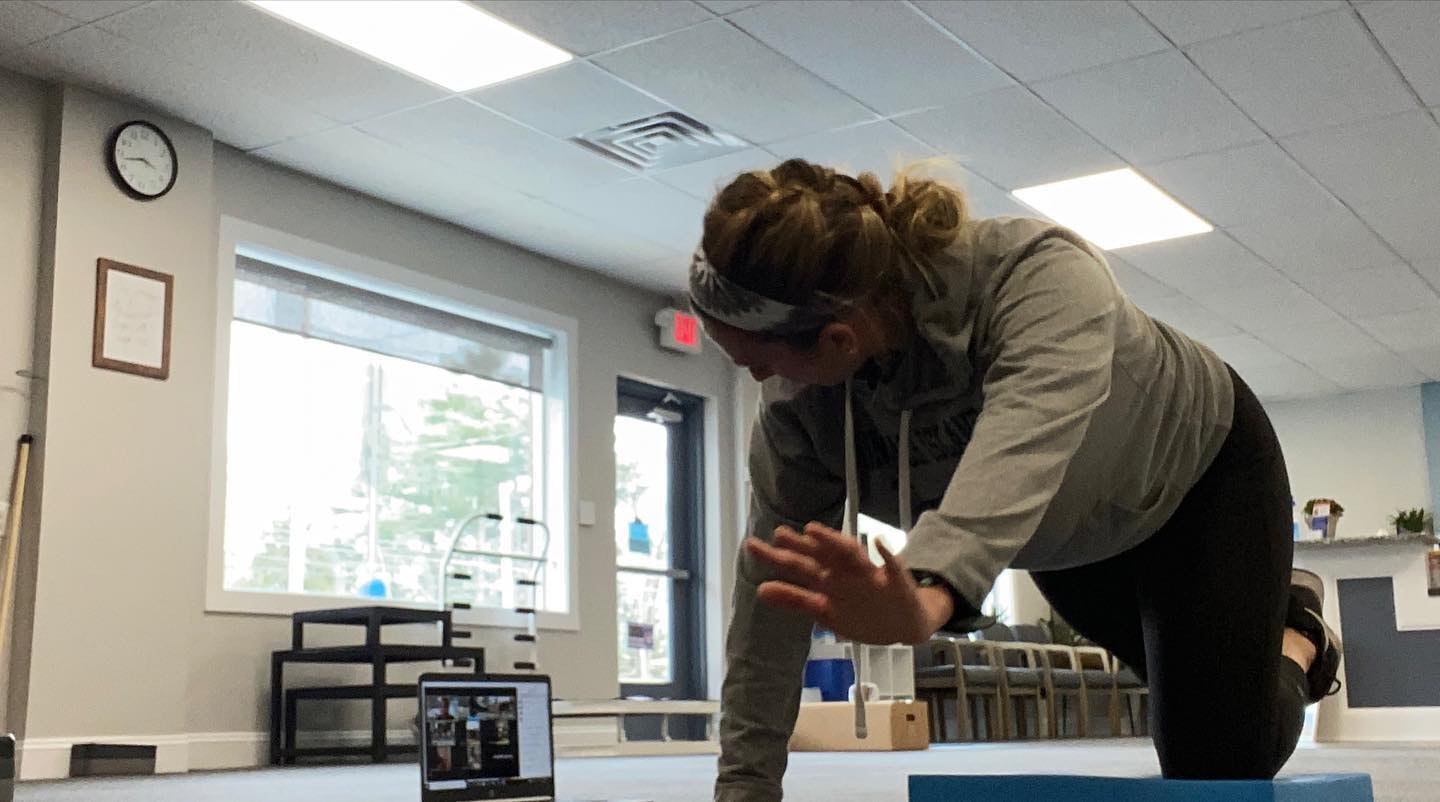

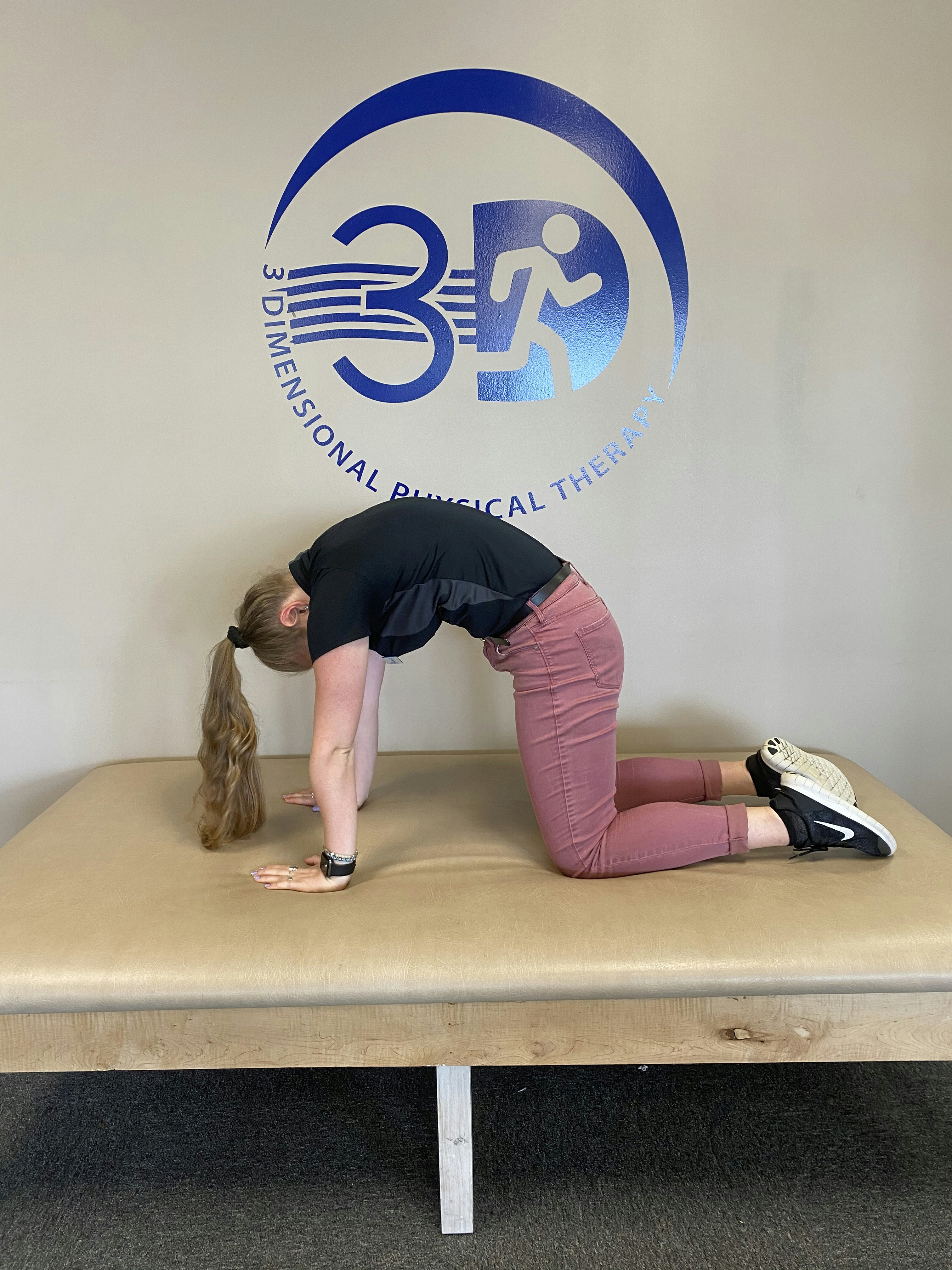
 Cat/Cow
Inhale during “cat”
Exhale during “cow”
Repeat 5-10 breaths
[one_half]
Cat/Cow
Inhale during “cat”
Exhale during “cow”
Repeat 5-10 breaths
[one_half]
 [/one_half]
[one_half_last]
[/one_half]
[one_half_last]
 [/one_half_last]
Thread and Needle
Hold for 5-10 breaths
Repeat on both sides
[/one_half_last]
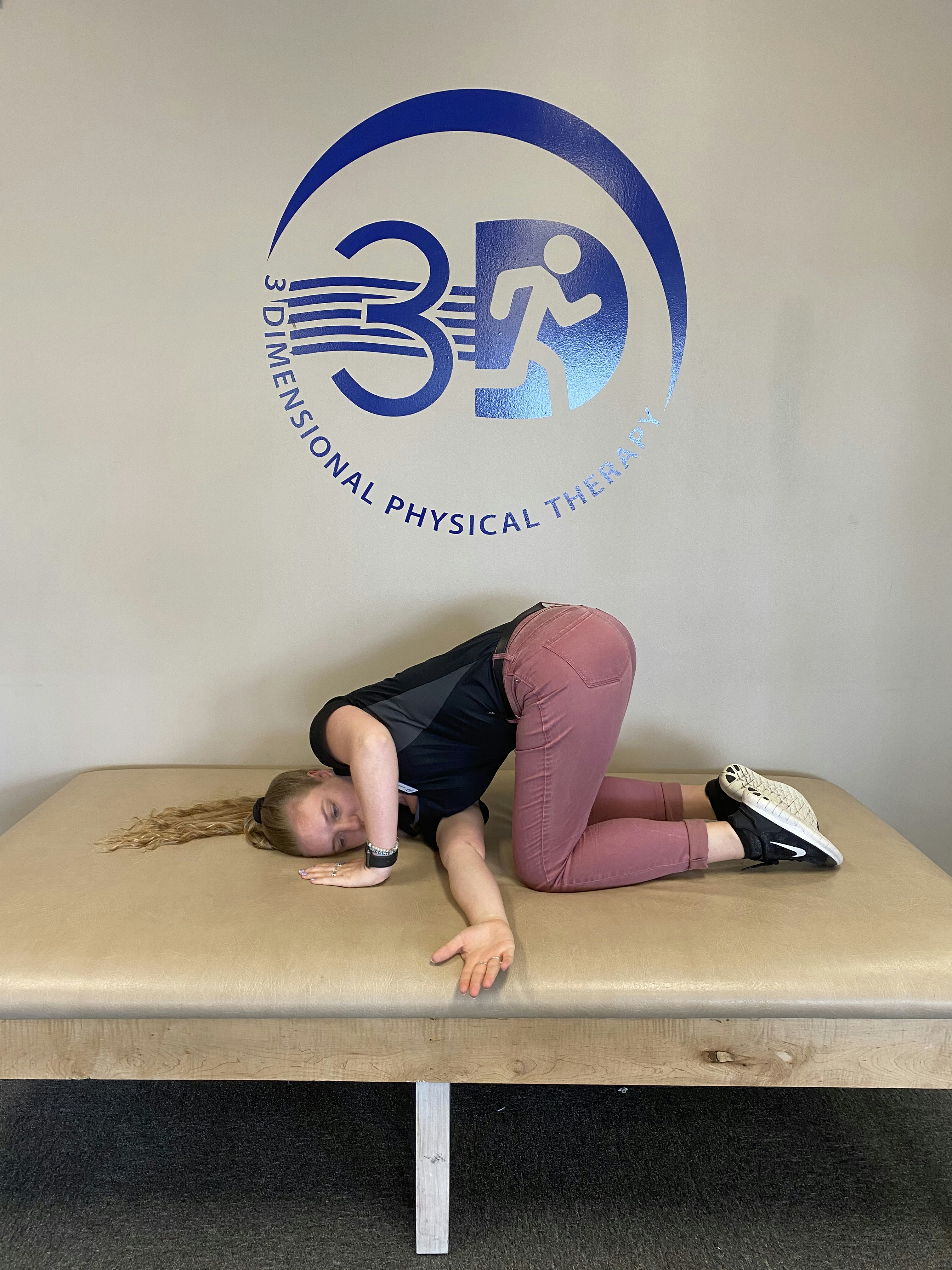
Thread and Needle
Hold for 5-10 breaths
Repeat on both sides
 Supine Pigeon
Hold for 5-10 breaths
Supine Pigeon
Hold for 5-10 breaths
 Supine Twist
Hold for 5-10 breaths
Repeat on both sides
Supine Twist
Hold for 5-10 breaths
Repeat on both sides
 Sphinx
Hold for 5-10 breaths
Sphinx
Hold for 5-10 breaths
 Upward Facing Dog
Hold for 5-10 breaths
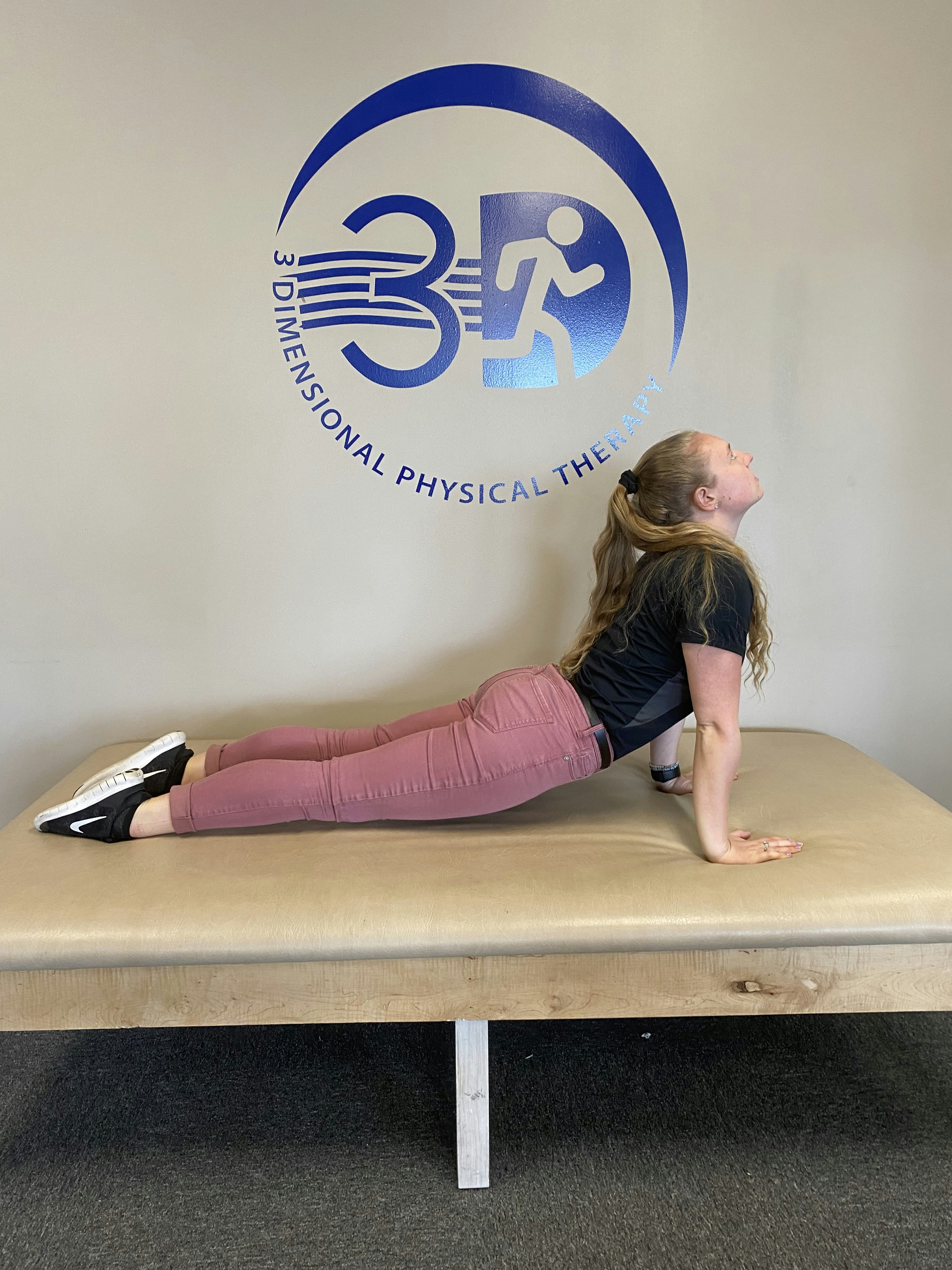
Upward Facing Dog
Hold for 5-10 breaths
 If you are experiencing low back pain, talk to your healthcare team about incorporating these yoga stretches into your therapy. And call your 3DPT office to schedule an appointment with a physical therapist. We can work with you to create a personalized plan to address your back pain!
Sources
If you are experiencing low back pain, talk to your healthcare team about incorporating these yoga stretches into your therapy. And call your 3DPT office to schedule an appointment with a physical therapist. We can work with you to create a personalized plan to address your back pain!
Sources











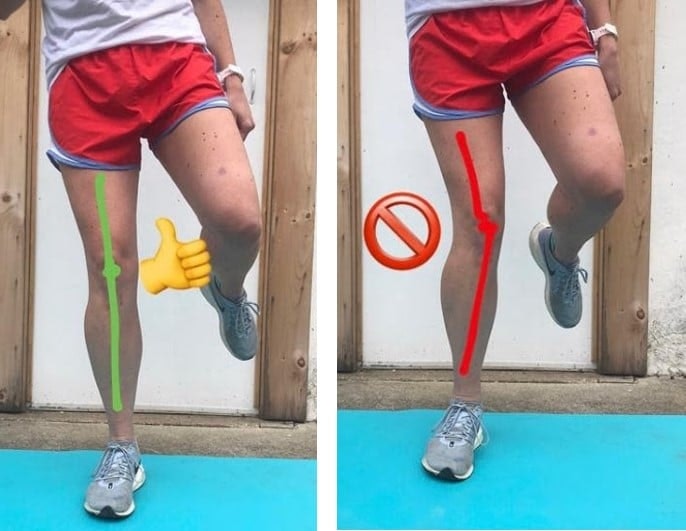 Last on our list: activity frequency and quantity. PFP is often described as an overuse syndrome, meaning ramping up your mileage or activity too fast and putting more stress on the body than your tissues can tolerate at that moment. There are a few things you can do if you think you’re overdoing it. Adjusting your run program is a good place to start. Add a few more rest days, decrease your mileage if you can and do some fun cross-training instead, target strength deficits that can be contributing to your pain. A rule of thumb that I live by is the 10% rule: don’t increase your weekly mileage by more than 10% from one week to the next. If you follow a guideline that helps you control your training, you put yourself at less of a risk for overuse injuries by making sure your body is able to tolerate the repetitive stresses you’re putting on it. The more you know!!
As I’ve mentioned, PFP is a pretty complicated condition; these key components are just a few adjustments among many that can be made. If you’re feeling some pain in your knee and these symptoms ring a bell, or you want to work on prevention, reach out to your favorite 3DPT physical therapist!! We can break down your movement and analyze your training schedule to help you figure out just what you need to do to beat that PFP. You got this, and happy running!!
Citation:
Barton CJ, Lack S, Hemmings S, et al. The ‘Best Practice Guide to Conservative Management of Patellofemoral Pain’: incorporating level 1 evidence with expert clinical reasoning. British Journal of Sports Medicine 2015; 49:923-934.
Last on our list: activity frequency and quantity. PFP is often described as an overuse syndrome, meaning ramping up your mileage or activity too fast and putting more stress on the body than your tissues can tolerate at that moment. There are a few things you can do if you think you’re overdoing it. Adjusting your run program is a good place to start. Add a few more rest days, decrease your mileage if you can and do some fun cross-training instead, target strength deficits that can be contributing to your pain. A rule of thumb that I live by is the 10% rule: don’t increase your weekly mileage by more than 10% from one week to the next. If you follow a guideline that helps you control your training, you put yourself at less of a risk for overuse injuries by making sure your body is able to tolerate the repetitive stresses you’re putting on it. The more you know!!
As I’ve mentioned, PFP is a pretty complicated condition; these key components are just a few adjustments among many that can be made. If you’re feeling some pain in your knee and these symptoms ring a bell, or you want to work on prevention, reach out to your favorite 3DPT physical therapist!! We can break down your movement and analyze your training schedule to help you figure out just what you need to do to beat that PFP. You got this, and happy running!!
Citation:
Barton CJ, Lack S, Hemmings S, et al. The ‘Best Practice Guide to Conservative Management of Patellofemoral Pain’: incorporating level 1 evidence with expert clinical reasoning. British Journal of Sports Medicine 2015; 49:923-934.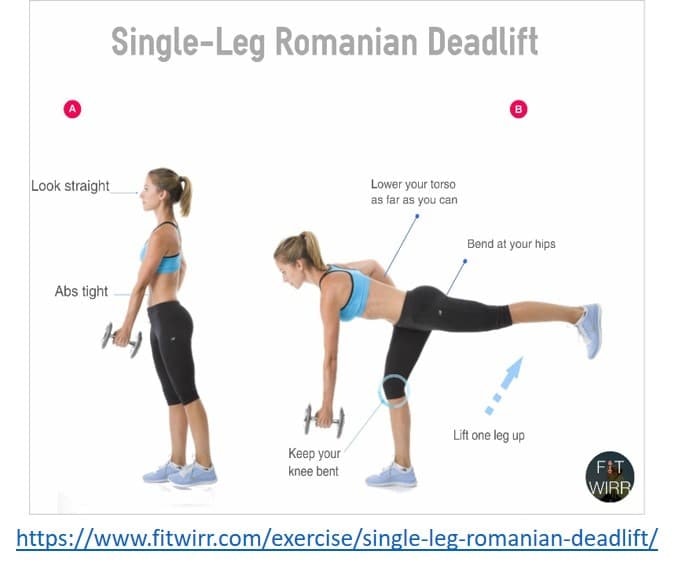




































 Pediatric PT’s work with children with a range of diagnoses, including, but not limited to:

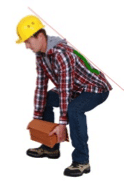



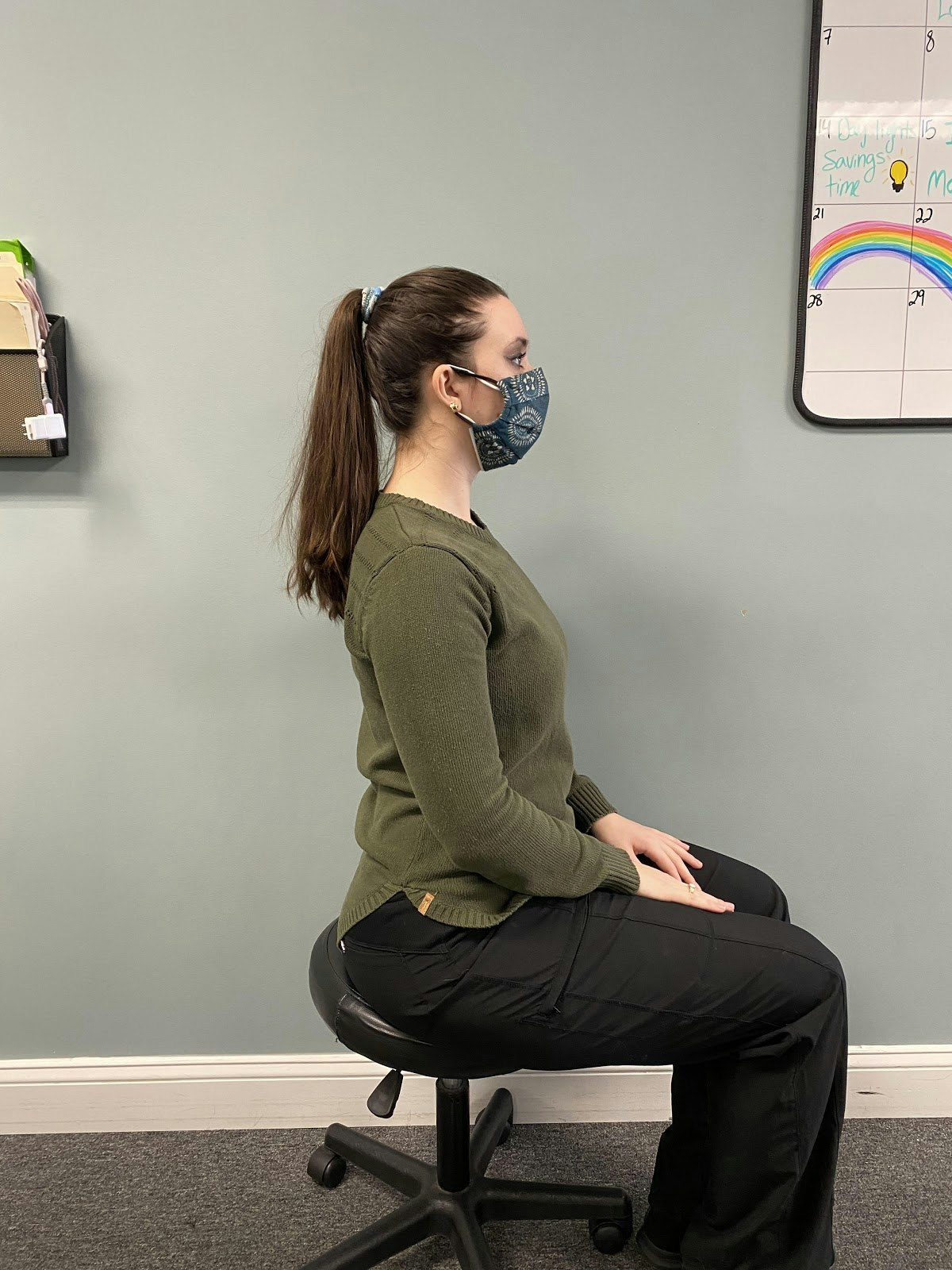
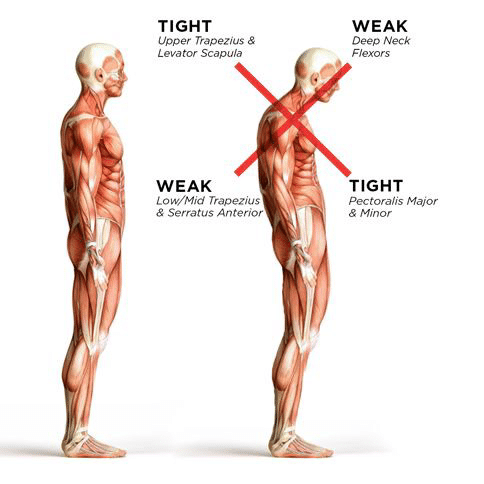
 Our chest muscles and the muscles in the back of our head and neck tend to get tight when we have a forward head posture. Ask your therapist to help you learn to stretch these muscles!